Why the Same Yoga Block Height Serves a Completely Different Purpose Depending on the Pose
Quick Answer: A yoga block’s height changes what it’s doing mechanically depending on the pose — in some poses a taller block reduces the range of motion needed and makes the pose more accessible, while in others (like certain standing balance poses) a taller block actually increases instability and difficulty, so ‘tallest setting’ isn’t a universal rule for easier; the right height depends on whether you need to close a distance gap or maintain a stable base.
Block height isn’t a simple easy-to-hard dial — it does different jobs in different poses, and using the wrong logic for a given pose can make things harder, not easier.
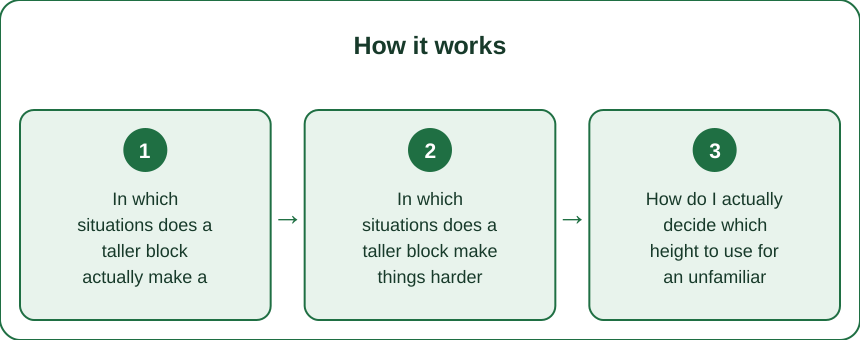
In which situations does a taller block actually make a pose easier?
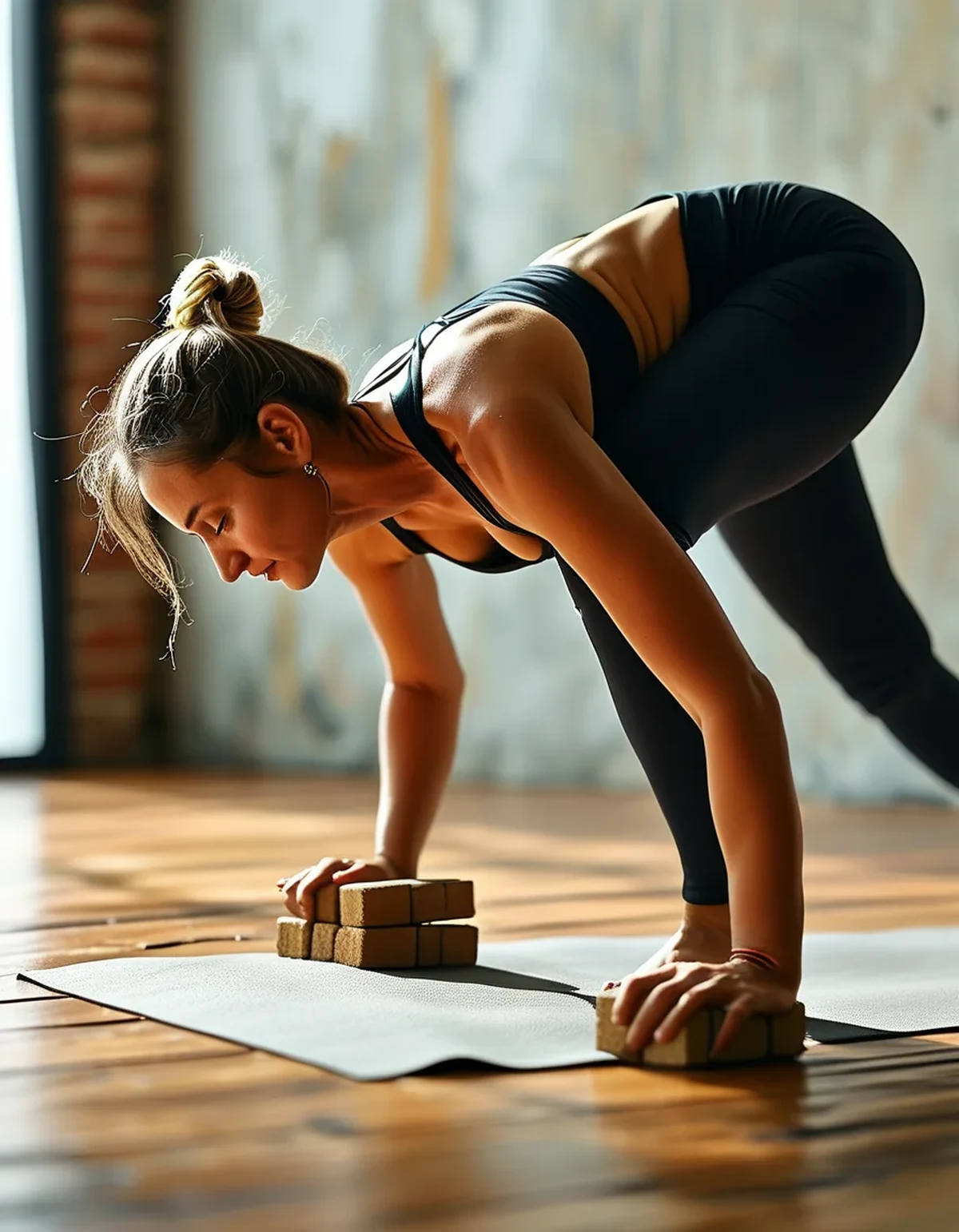
In poses where the goal is bringing the ground or a support closer to you — like a hand not reaching the floor in a seated forward fold, or supporting a hip in a modified triangle pose — a taller block closes that distance gap, reducing strain and making the pose more accessible.
In which situations does a taller block make things harder instead?
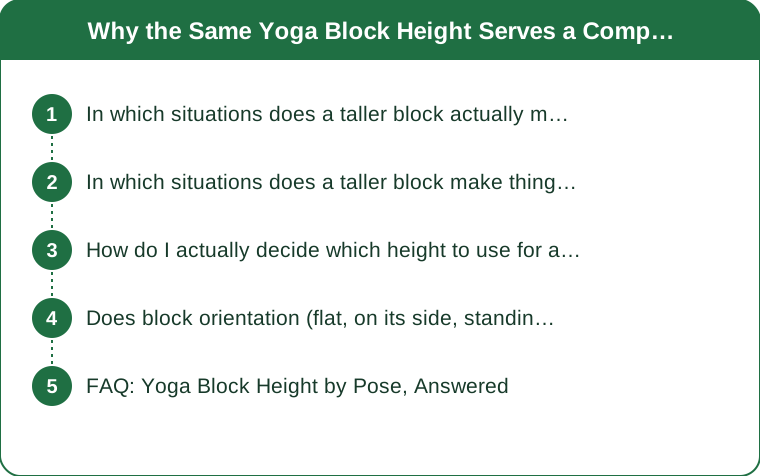
In balance-dependent poses where the block serves as part of your base of support, a taller block raises your center of gravity and narrows your stable base, which can increase wobbliness rather than provide the stability a shorter, wider base would offer.
How do I actually decide which height to use for an unfamiliar pose?
Ask whether the block’s job in that pose is closing a distance gap (favor taller) or providing stable support (favor shorter, wider orientation) — this distinction, more than a general beginner-versus-advanced height rule, predicts which height actually helps.
Does block orientation (flat, on its side, standing tall) matter as much as height itself?
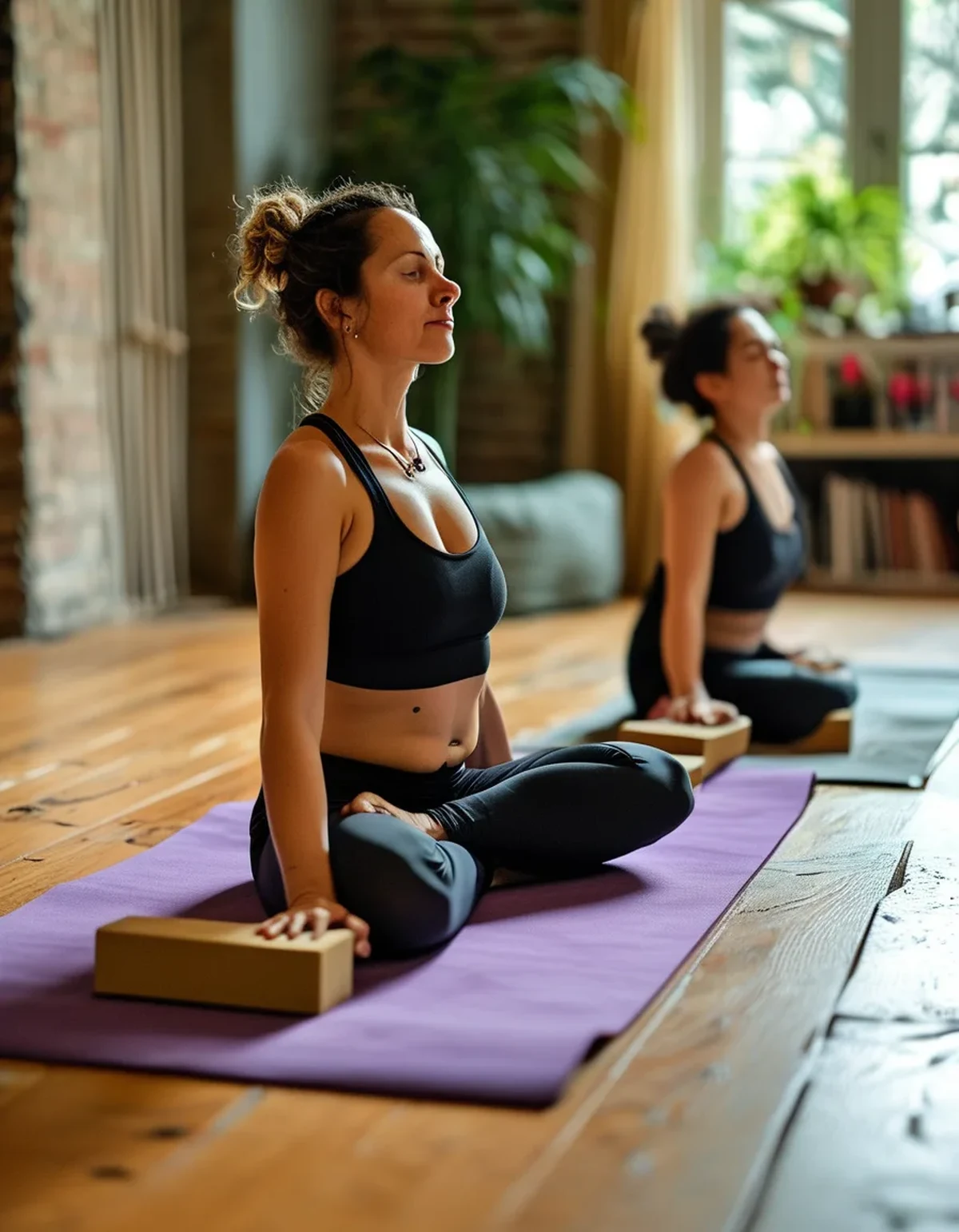
Yes — the same block offers three different height and stability combinations depending on orientation, so adjusting orientation, not just swapping to a different block, is often the more practical way to fine-tune support for a specific pose.
FAQ: Yoga Block Height by Pose, Answered
Is there a general starting point for beginners unsure which height to try first?
Starting with the block on its widest, most stable orientation (flat) is a reasonable default until you understand what a specific pose is actually asking the block to do.
Do two blocks together follow the same height-purpose logic as one?
Yes — the same principle applies; two blocks stacked add height for distance-closing poses, or provide a wider stable base when placed side by side for support-based poses.
Should instructors specify which block height to use, or is it always personal preference?
Good instruction usually specifies the intended job of the block in a given pose, since the right height is more about the pose’s mechanical need than pure personal preference.
TL;DR:
- A block’s height serves different mechanical purposes depending on the pose’s actual need
- Taller blocks help close a distance gap in poses like seated forward folds
- Taller blocks can reduce stability in balance-dependent poses that need a wide base
- Understanding whether a pose needs distance-closing or stability predicts the right height choice
See It in Motion
Seen here: High Waist Yoga Leggings with Inner Pocket — shop it on bubblelime.com
Keep Reading
This article is for general informational and styling purposes only. Fit, sizing, and product availability may vary.