Why the Same Yoga Block Height Changes Meaning Completely Depending on the Pose
Quick Answer: A yoga block at a given height either shortens the distance to the floor to bring stability within reach, or adds height to create length and extension, depending entirely on what the specific pose needs at that joint — meaning block height functions as a tool that adapts its purpose to the pose, not a fixed measurement with one universal effect.
Same block, same lowest setting — in one pose it’s there to catch a hand that can’t quite reach the floor, and in another it’s there to add length nobody expected a block could add.
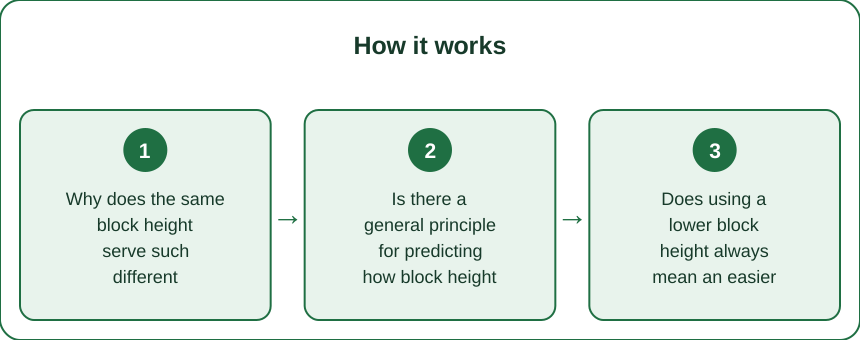
Why does the same block height serve such different functions across different poses?
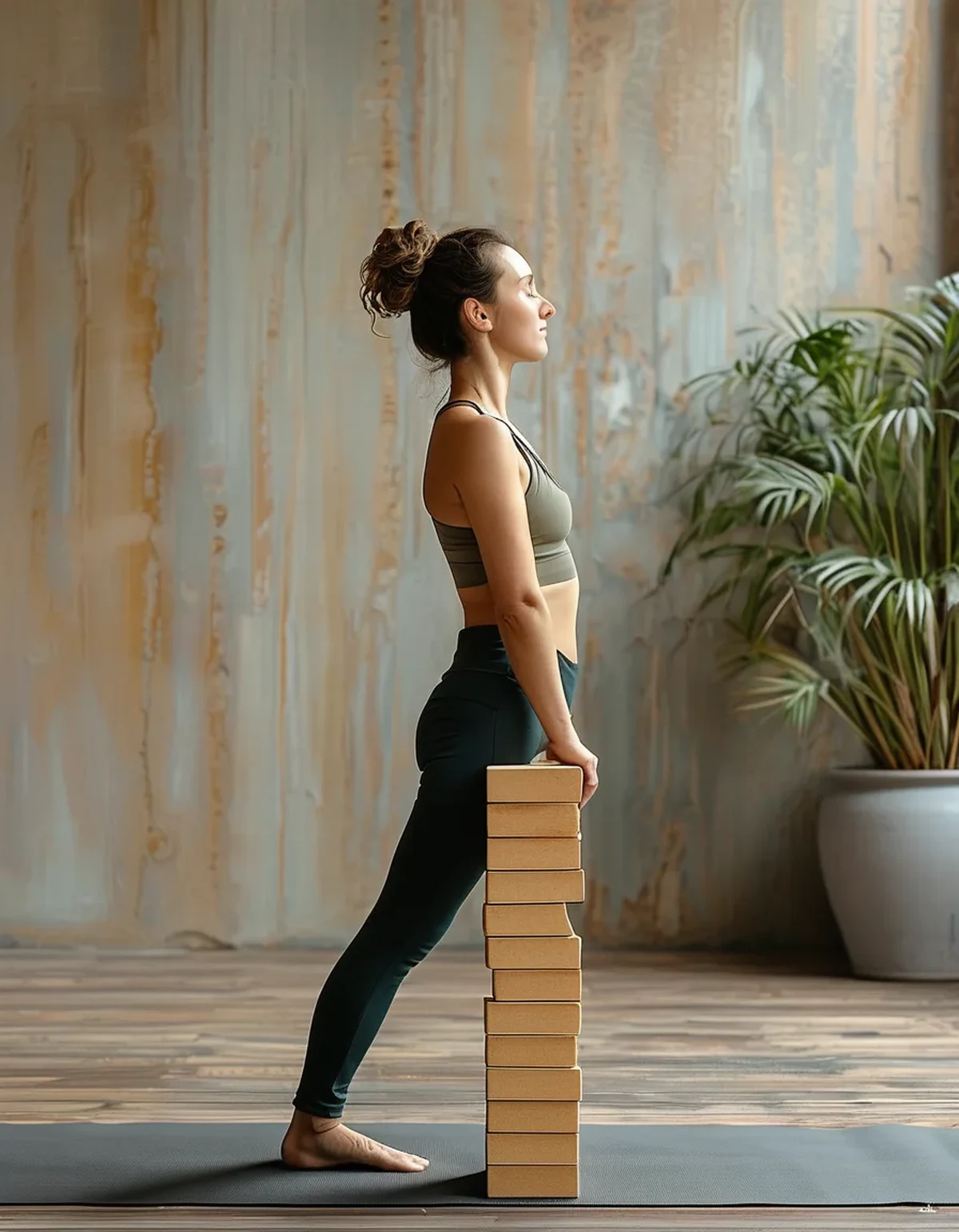
A block’s function depends on which direction it’s closing a gap in — in a standing forward fold with tight hamstrings, the block brings the floor closer to shorten the reach needed for stability, while in a supported pose like a supported bridge, that same height is instead adding elevation to create length and traction through the spine that the floor alone couldn’t provide.
Is there a general principle for predicting how block height will function in an unfamiliar pose?
The general principle is checking whether the block is filling a gap between the body and the floor (a stability role) or being used to prop up or elevate a body part above where it would otherwise rest (a support-and-extension role), since that directional difference determines whether raising or lowering the block height increases or decreases the pose’s challenge.
Does using a lower block height always mean an easier version of a pose?
Not always — in a stability-role pose, a lower block height (closer to the floor) generally does mean less support and more challenge, but in a support-and-extension role pose, a lower block height can mean less traction or length, which some practitioners experience as more restrictive rather than more challenging in the way a harder pose variation typically feels.
Why a Yoga Block Isn’t Cheating — It’s Actually Training You Better
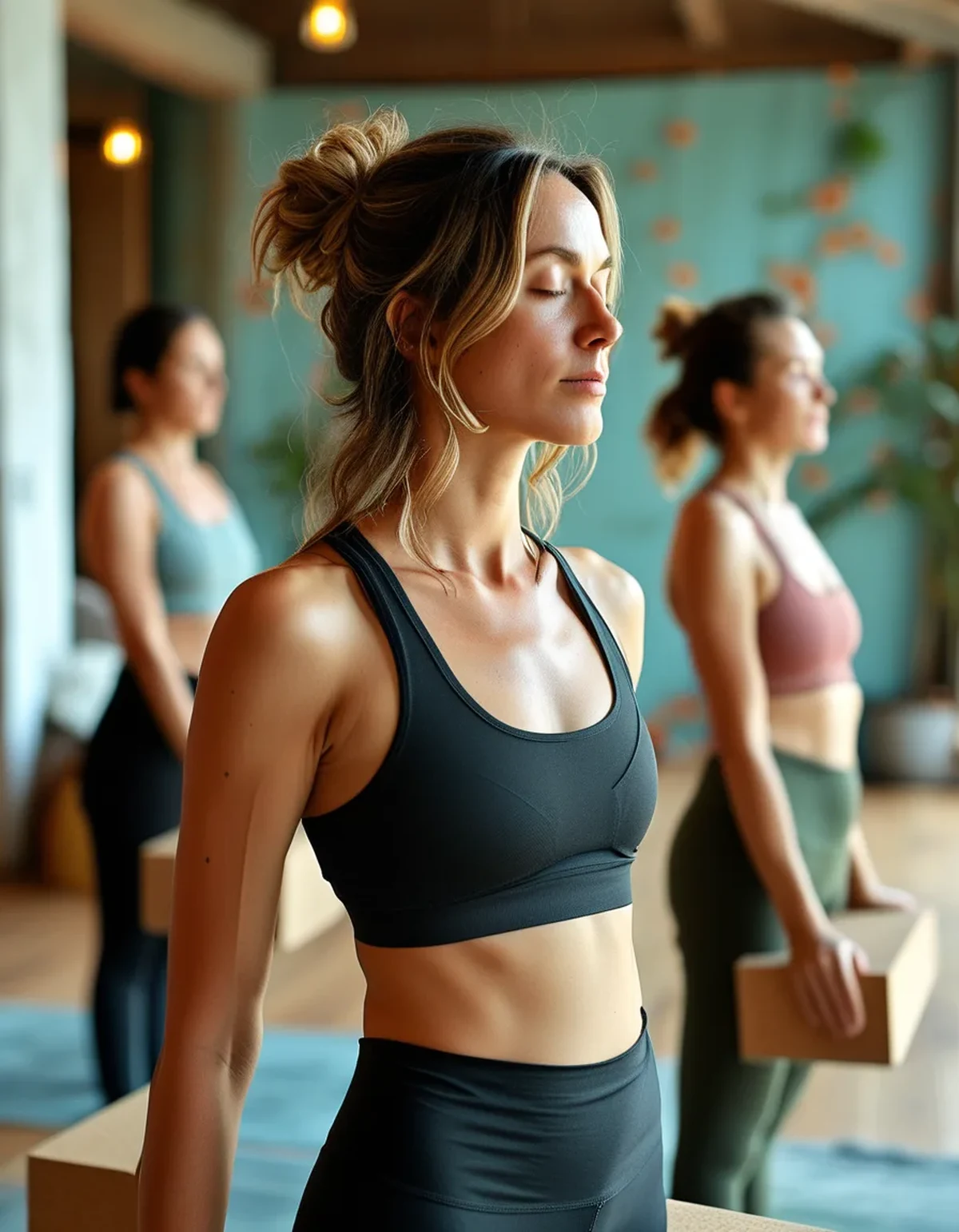
Using a block to reach the floor sooner in a pose isn’t a shortcut around proper form — it lets the body register correct alignment at a joint that would otherwise be held incorrectly while straining to close the actual gap, meaning the block often produces more accurate long-term movement patterning than skipping it and forcing an unsupported reach ever would.
Does block material or firmness change how this height-function relationship works?
Firmer foam or cork blocks hold a stable, consistent height under body weight, while softer foam blocks can compress slightly under load, meaning a softer block’s ‘lowest’ setting may end up providing less actual height than its stated dimension once weight is applied, which matters more in support-and-extension poses where precise height affects the amount of traction achieved.
FAQ: Yoga Block Height and Function, Answered
How should a beginner decide which block height to start with in an unfamiliar pose?
Starting at the block’s tallest setting for stability-role poses and gradually lowering it as flexibility improves, or starting at the tallest setting for support-role poses and adjusting based on comfort, is a safe general approach until the specific pose’s role becomes familiar.
Can books or other household objects substitute for a yoga block’s specific height function?
A stack of books or a firm cushion can substitute in a pinch, but a proper block’s consistent, non-compressing height makes the height-dependent function of many poses more predictable and controllable than improvised substitutes.
Does using two blocks at different heights serve a different purpose than one block?
Yes — two blocks at different heights are often used to support two different body parts simultaneously, each serving its own stability or extension role independently, which is a distinct use case from a single block’s single-point function.
TL;DR:
- A yoga block’s function depends on whether it’s closing a stability gap or adding extension height, not on the height number alone
- The same setting can make one pose more accessible and another pose provide more length or traction
- Using a block isn’t a shortcut — it helps the body learn correct alignment more accurately than forcing an unsupported reach
- Block firmness affects how consistently a stated height actually holds under body weight
The next time a block feels like it’s doing something completely different from pose to pose, that’s not inconsistency — it’s the same tool correctly adapting its role to what each specific pose actually needs.
See It in Motion
Seen here: Bootcut Capri Yoga Pants with Pockets — shop similar styles on bubblelime.com
Keep Reading
This article is for general informational and styling purposes only. Fit, sizing, and product availability may vary.