Why Reaching for a Yoga Block Is a Sign of Better Technique, Not a Lesser Practice
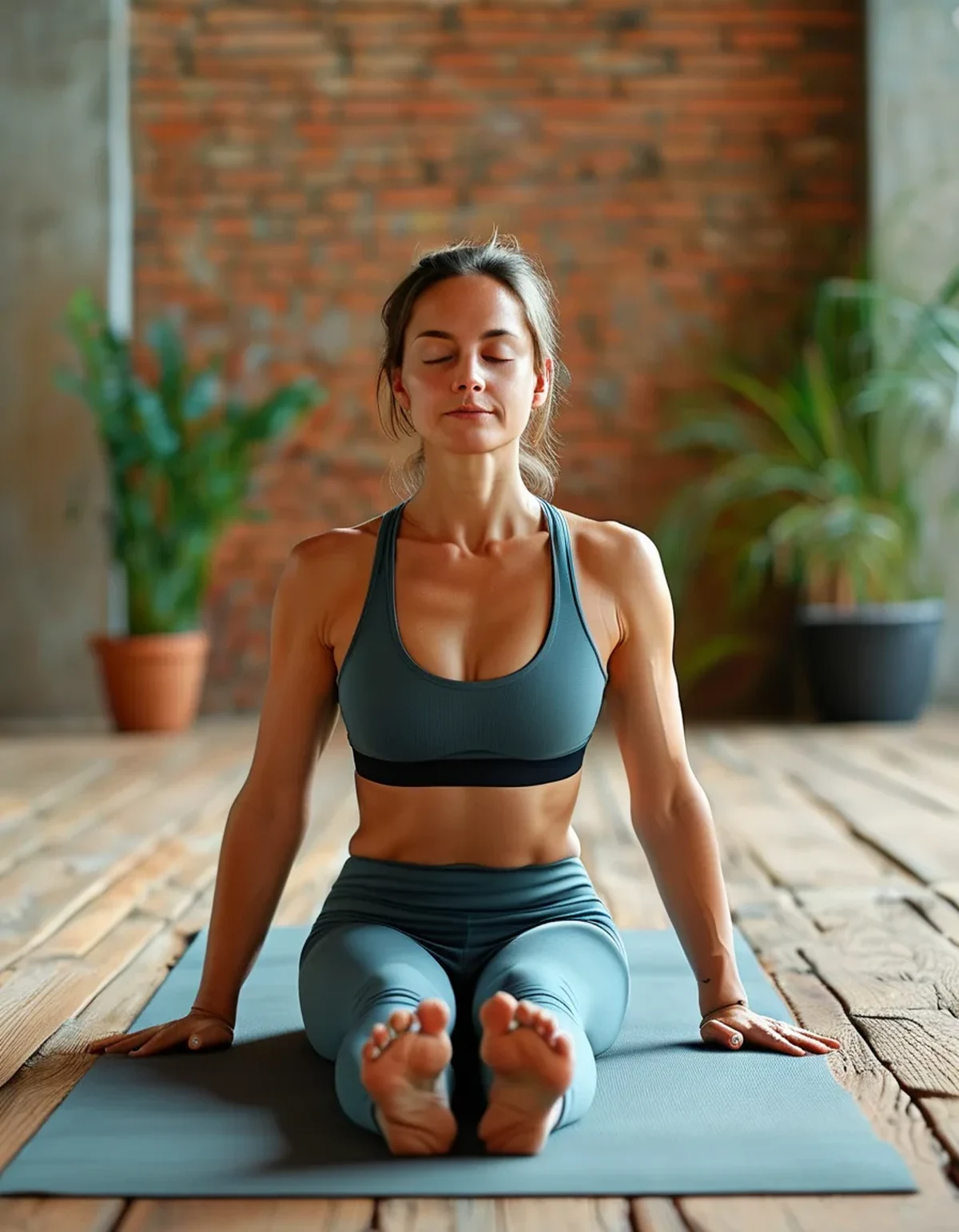
Reaching for a yoga block often carries a quiet embarrassment, as if it’s an admission that a body isn’t flexible enough for the real version of a pose, but a block’s actual job is to let a pose be held with genuinely correct alignment instead of a rounded, compensated version of it.
Why a Block Preserves Correct Alignment
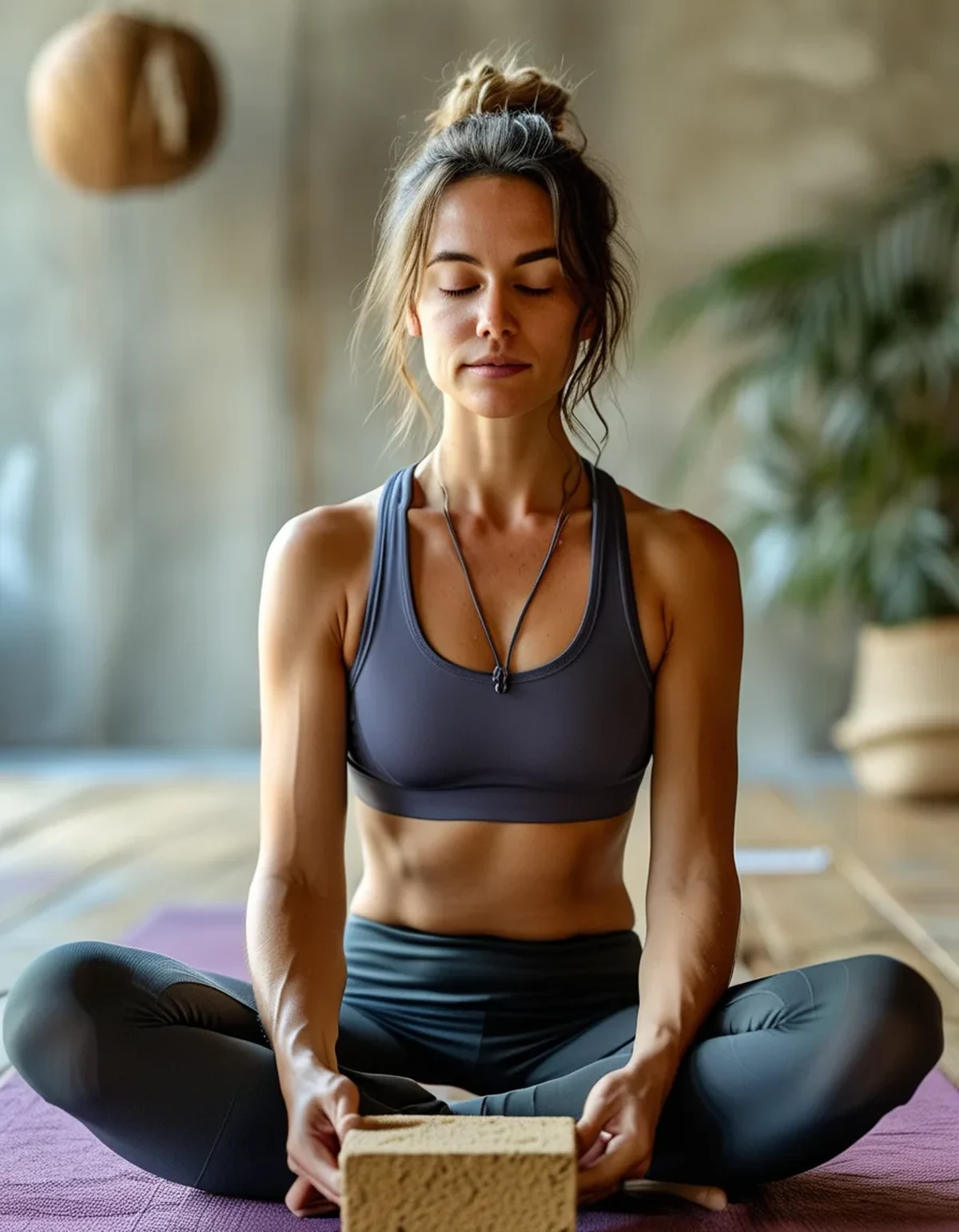
The function: a-block-effectively-raises-the-ground-closer-to-the-hand-or-foot-so-the-spine-and-hips-can-maintain-correct-alignment-instead-of-rounding-to-reach-the-floor (a block effectively raising the ground closer to the hand or foot, so the spine and hips can maintain genuinely correct alignment instead of rounding or twisting to reach an actual floor that’s simply too far away, per the yoga-blocks-uses-guide logic — a-block-effectively-raising-the-ground-closer-to-the-hand-or-foot-so-the-spine-and-hips-can-maintain-genuinely-correct-alignment-instead-of-rounding-or-twisting-to-reach-a-floor-too-far-away), and the reframe (the block adjusting the environment to fit the body, not adjusting the standard)).
Why That Gets Misread as a Sign of Weakness
The misread: skipping-the-block-to-reach-the-floor-directly-often-produces-a-visibly-deeper-looking-pose-that-actually-relies-on-rounding-a-compromise-mistaken-for-more-advanced-practice (skipping the block to reach the floor directly often producing a pose that looks visibly deeper, but that depth actually relies on spinal rounding or hip compensation, a compromise that gets mistaken for more advanced practice simply because it looks that way, per the yoga-block-actual-function-versus-crutch-perception-guide logic — skipping-the-block-to-reach-the-floor-directly-often-producing-a-pose-that-looks-visibly-deeper-but-actually-relies-on-spinal-rounding-a-compromise-mistaken-for-more-advanced-practice), and the frame (a visually deeper pose sometimes being the technically worse one)).
How to Use Blocks to Raise the Floor, Not Avoid It
The reframe: choose-block-height-based-on-what-preserves-a-straight-spine-and-neutral-hips-and-lower-it-gradually-over-time-as-actual-flexibility-changes-rather-than-forcing-the-floor (choosing block height specifically based on what preserves a straight spine and neutral hips in a given pose, and lowering that height gradually over time only as actual flexibility genuinely changes, rather than forcing a floor-reaching version before the body is ready, per the using-yoga-props-for-deeper-relaxation-guide logic — choosing-block-height-based-on-what-preserves-a-straight-spine-and-neutral-hips-and-lowering-it-gradually-over-time-only-as-actual-flexibility-changes-rather-than-forcing-a-floor-reaching-version), and the frame (the block height tracking real progress instead of ego).
A block effectively raises the ground closer to the hand or foot so the spine and hips can maintain genuinely correct alignment instead of rounding or twisting to reach a floor that’s simply too far away, even though skipping the block to reach the floor directly often produces a pose that looks visibly deeper while actually relying on that same rounding as a compromise. Choosing block height based on what preserves a straight spine and neutral hips, and lowering it only as real flexibility changes, keeps the prop working for correct form instead of against it.
See It in Motion
Seen here: High Waist Embossed Yoga Leggings with Side Pockets — shop it on bubblelime.com
Keep Reading
This article is for general informational and styling purposes only. Fit, sizing, and product availability may vary.